Using AI for Healthcare Analytics
Artificial intelligence is poised to optimize the drug life cycle, delivering greater precision and clarity in a fraction of the time that legacy processes require.
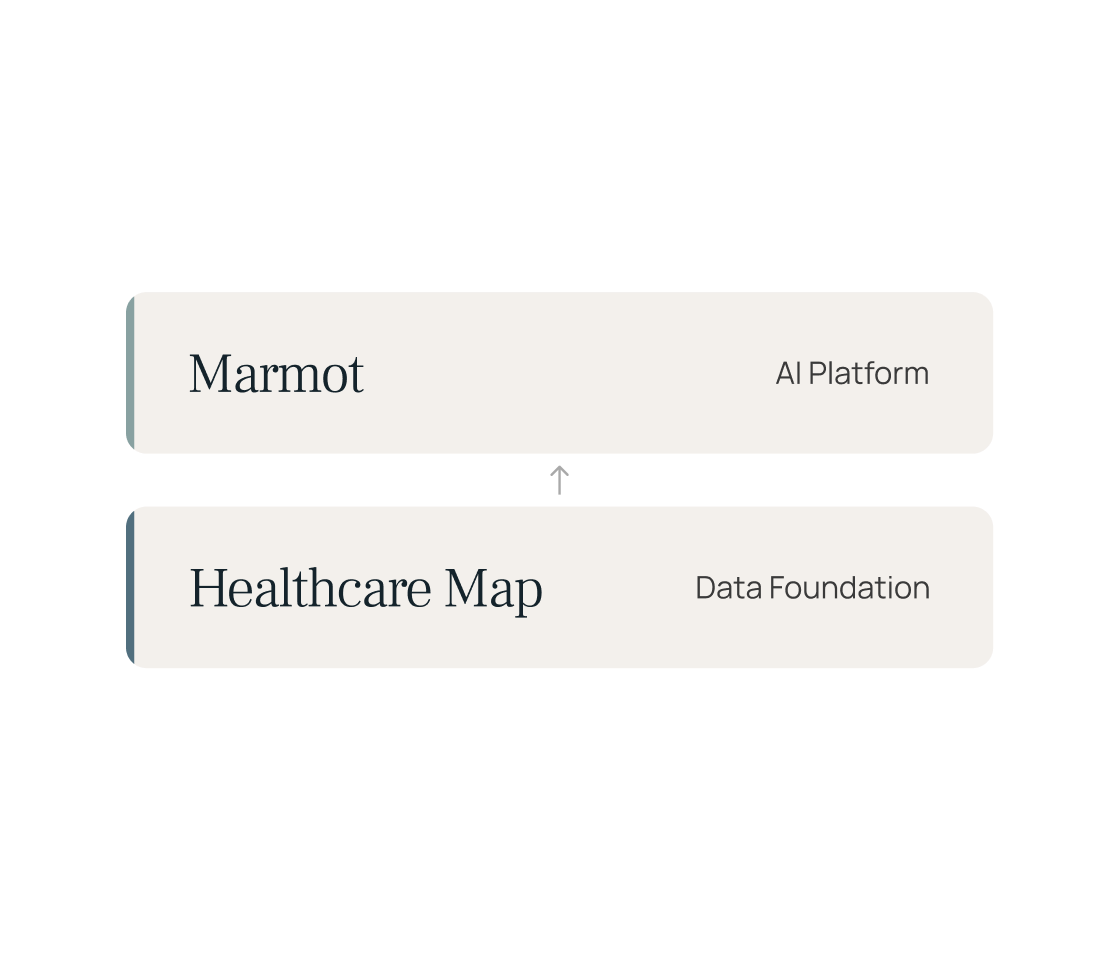
When integrating AI into your organization, there are three non-negotiables that will ensure performance and build trust: It must be 1) built on the highest-quality data foundation; 2) trained on healthcare-specific analytical methodologies; and 3) provide a transparent, auditable trail.
Is Your Data AI-Grade?
PERSPECTIVES
Why Foundational LLMs Fail on Healthcare Data
PERSPECTIVES
¹ Define Ventures July 2025 survey report ² Zifo Technologies July 2025 survey report ³ ZoomRx 2024 survey
Go from AI experimentation to ai impactImplement AI With Confidence
Our comprehensive framework is designed to help you confidently assess AI reliability, minimize risk, and maximize value for true business transformation.

Download the AI Reliability for Life Sciences Guide
In-House AI or External AI Partner?
Data Acquisition and Integration
Building a high-quality data foundation for in-house AI typically takes nine to 18 months, followed by continuous assessment and evolution of sources as well as managing data disruptions. Integration complexities include building crosswalks between data models, vocabularies, and patient identifiers, and managing de-duplication and compliance challenges.
Data Preparation and Enrichment
Preparing data for insight generation requires six to 12 months initially and is ongoing with the evolution of data sources. This includes cleansing and normalization, context additions, quality control, maintenance processes (e.g., regular data refreshes), and document development to ensure consistent and appropriate use. Other considerations include ensuring data isn’t biased.
AI Implementation and Training
Model selection, domain adaptation, creating training data, connecting AI capabilities with downstream systems, and building a validation framework require 12 to 18 months. Because the accuracy and precision of AI grows in tandem with the volume of queries and cohorts generated, there’s an advantage to accessing the same AI that thousands of data scientists are leveraging vs. a limited number of in-house users.
Resources, Prioritization, and Scaling
Continuous maintenance of data pipelines, model updates, and integration points are a primary focus for Komodo. But this can become a drain on resources and a distraction for Life Sciences companies attempting to implement and manage AI internally. Additionally, due to the complexity of healthcare data and training, in-house AI is often limited to a handful of use cases instead of serving enterprise-wide needs.